Osteoporosis: What to do if you're losing bone mass?
In Bahrain more than 20,000 people suffer from osteoporosis, most of them women. However, with a modified diet, regular physical activity, and appropriate medications, it is possible to manage this condition, as Barbara Zindel from the Swiss Rheumatology Association explains.
Symptoms of Osteoporosis
Osteoporosis often goes unnoticed until the bones become fragile enough to break under slight pressure. The most common fractures due to bone loss are those of the hip and the radius (near the wrist). Such fractures can occur without significant falls or trauma. Vertebral bodies are also at risk, and their fractures can lead to chronic back pain, making daily life difficult.
Indications of Osteoporosis
In addition to fractures, significant loss of height and unstable walking can indicate osteoporosis. Barbara Zindel asserts that losing more than 4 centimeters of height with age may be a sign of osteoporosis. Changes in body shape, such as a hunched back, protruding abdomen, and curved spine, are also characteristic. These changes result from the collapse of vertebral bodies due to the disease.
Causes of Osteoporosis: Genetics and Gender
Osteoporosis develops when the balance of bone metabolism is disturbed. Bones are composed of a network of protein structures reinforced with minerals like calcium and phosphorus and are constantly changing. Two types of cells, osteoblasts (which build bone tissue) and osteoclasts (which break down bone tissue), regulate this process. Up to the age of 30-35, bone formation predominates, making the skeleton denser and stronger. After that, bone loss begins, and osteoclasts become more active. In osteoporosis, this process is disrupted, leading to a loss of bone density and making bones fragile.
Increased Risks for Certain Groups
Barbara Zindel from the Swiss Rheumatology Association explains that thin smokers are particularly at high risk for developing osteoporosis. Hormones, weight, and alcohol also affect bone density. Several factors can impact bone metabolism, including significant hormonal changes such as decreased estrogen in postmenopausal women, which accelerates bone loss. Early menopause increases the risk of osteoporosis. Additionally, a lack of vitamin D can disrupt this balance.
Modifiable Risk Factors
Some risk factors for osteoporosis can be controlled. For example, smoking and alcohol consumption negatively affect bone metabolism, leading to faster bone degradation. Similarly, underweight and weight loss can have similar effects. Barbara Zindel emphasizes that "thin smokers are at particularly high risk of developing osteoporosis."
Genetic Predisposition and Medications
However, the most important risk factor for osteoporosis is genetic predisposition. Zindel explains that if there are cases of osteoporosis in the family, the risk of developing the disease increases significantly. Some medications, such as corticosteroids, can also negatively affect bone metabolism.
Diagnosing Osteoporosis
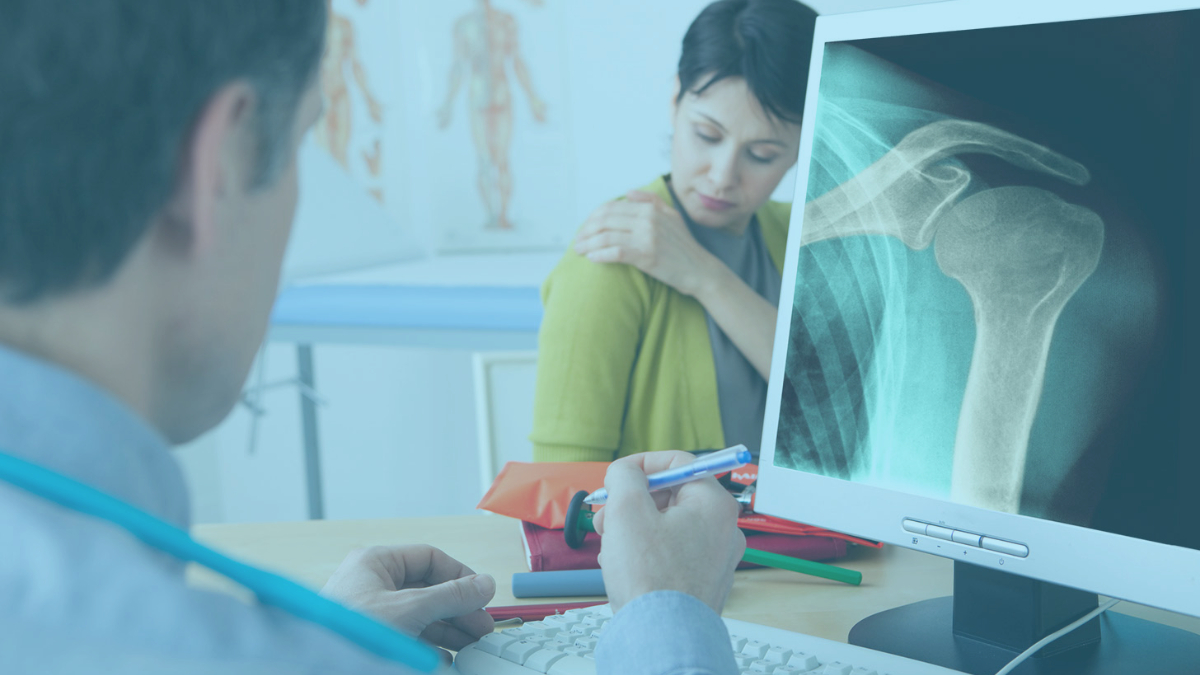
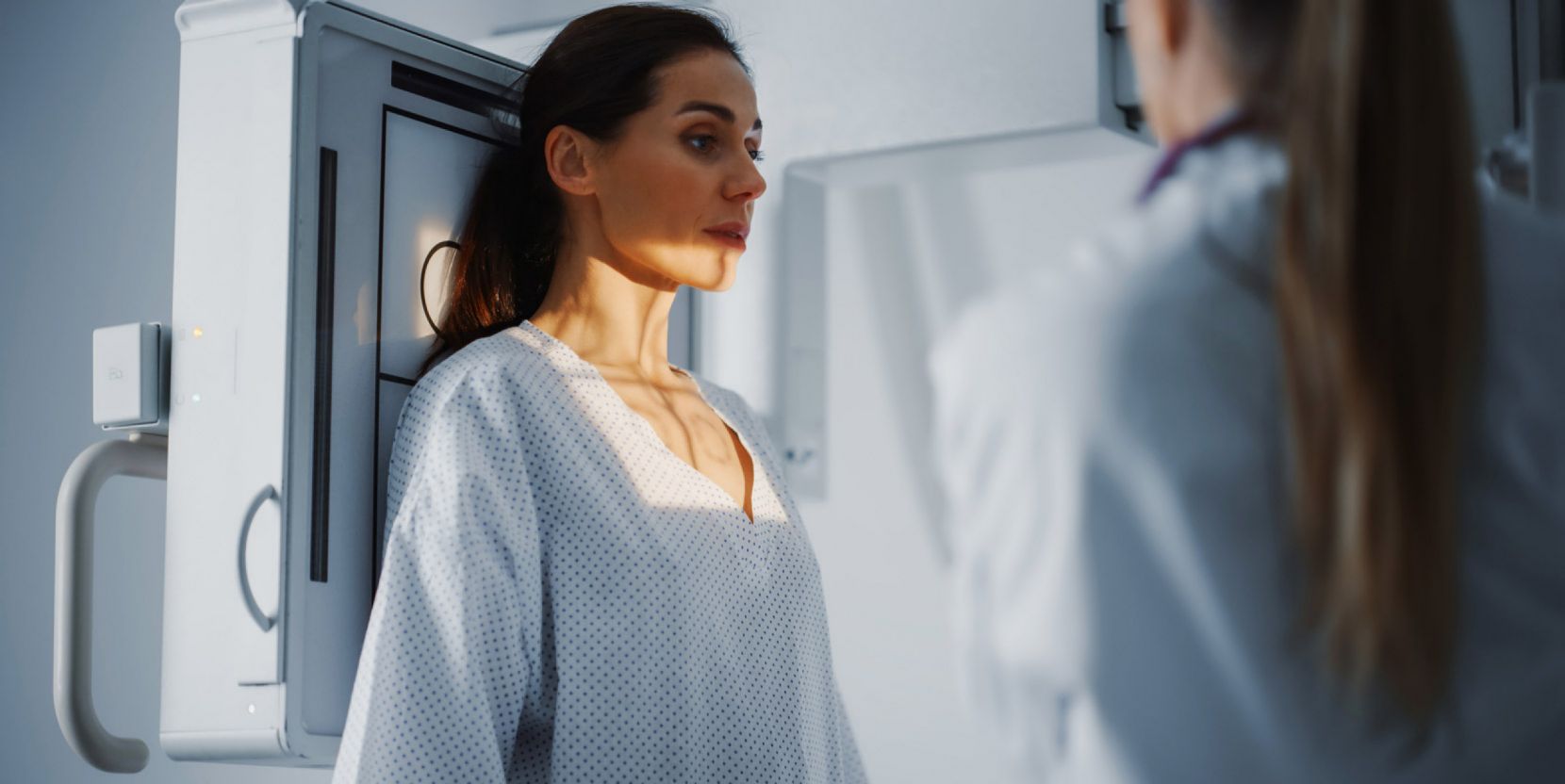
Osteoporosis is often discovered accidentally, for example, when an X-ray reveals fractures. Sometimes, a sudden bone fracture indicates the disease. Specific methods for diagnosing osteoporosis include bone density measurement. This method assesses the mineral content of the bones by measuring the amount of radiation that passes through the lumbar spine or hip. The more radiation passes through, the lower the bone density. This process takes five to ten minutes and uses less radiation than traditional X-rays. Anyone suspected of having an increased risk of osteoporosis should have their bone density measured by a specialist, recommends Barbara Zindel from the Swiss Rheumatology Association. Another advantage of this procedure is that it can also detect osteopenia, a precursor to osteoporosis.
Osteopenia: A Warning Sign for Osteoporosis
Osteopenia is often considered an indicator and precursor to osteoporosis, characterized by loss of bone resistance without obvious fractures. The main problem with osteopenia is the almost complete absence of symptoms, leading to late diagnosis and treatment. The good news is that if osteopenia is detected early, it is possible to slow bone loss and prevent osteoporosis through a healthy diet and sufficient physical activity. The University Hospital of Zurich recommends sports such as jogging, dancing, or walking to slow bone loss. Directed strength and balance training is also beneficial.
Prevention Through Diet
A balanced diet plays an important role in preventing and treating bone loss. Adequate calcium intake is particularly important. Doctors recommend between 1,000 and 1,200 milligrams of calcium daily. Dairy products, nuts, seeds, dark green vegetables like kale or broccoli, and calcium-rich mineral water are excellent sources of calcium. Soy products and some fruits, such as berries and kiwi, are also good sources. The Swiss Rheumatology Association offers an online calcium calculator to check daily calcium intake.
Importance of Vitamin D
For the body to absorb calcium, it needs vitamin D. Our body can produce vitamin D when exposed to sunlight. However, in Switzerland, sunlight is not always sufficient to produce an adequate amount of vitamin D. Therefore, Anastasia Sole recommends taking vitamin D supplements, especially during the winter months.
Physical Activity and Bone Health
Regular exercise is essential for preventing and treating osteoporosis. Intense exercise improves muscle strength, balance, and coordination. General recommendations include 150 to 300 minutes of moderate-intensity exercise per week, such as walking, cycling, gardening, or household chores. Alternatively, 75 to 150 minutes of high-intensity exercise, such as running, swimming, cross-country skiing, or Zumba, are also beneficial, as Zindel explains.
Effectiveness of Medications
Barbara Zindel from the Swiss Rheumatology Association highlights the effectiveness of medications for treating osteoporosis, emphasizing the importance of carefully planning a withdrawal strategy with a specialist.
Treating Osteoporosis: Medications as a Common Solution
With advanced bone loss or fractures, most affected individuals cannot avoid taking medications. Bisphosphonates and antibodies are among the most commonly used medications because they prevent bone loss. These treatments can stop or even reverse bone loss. In severe cases, drugs that strengthen bones are also available.
Thanks to her many years of experience as a consultant at the Swiss Rheumatology Association, Barbara Zindel knows that many people have reservations about medication: "The adverse effects after stopping treatment containing denosumab have raised many doubts in recent years," Zindel explains to reassure patients: "The medication is very effective; however, it is important to plan a carefully thought-out exit strategy with a bone specialist," concludes Zindel.
Added Value Using TellSaleem Assistant:
Using TellSaleem Assistant, you can manage and monitor your daily calcium intake and vitamin D supplementation. The assistant can help you set reminders for physical activities and track your exercise routines to ensure consistency and effectiveness. Moreover, it provides access to a vast library of diet plans and recipes rich in calcium and vitamin D, customized to your preferences and dietary restrictions. With regular updates and tips on managing osteoporosis, TellSaleem Assistant becomes your comprehensive companion in maintaining bone health and preventing osteoporosis.