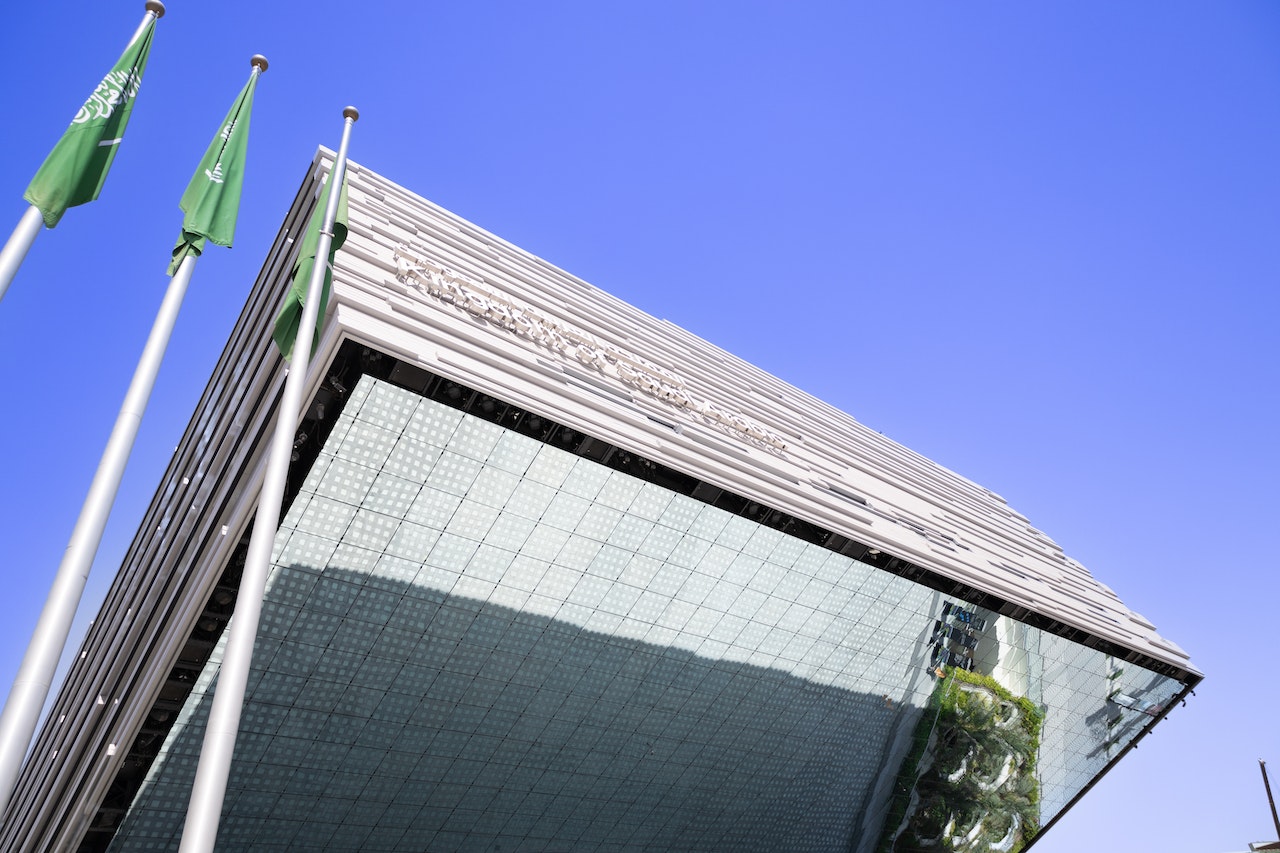
Could Saudi Arabia Become the Next Tourism Leader in the Middle East?
In recent years, Saudi Arabia has undertaken significant efforts to diversify its economy away from reliance on oil. Until 2019, only those with business visas, religious pilgrims, and expatriate workers could visit the country. However, with the introduction of tourist visas in 2019 and the inclusion of tourists with existing US, UK, and Schengen Area visas in 2020, Saudi Arabia has opened its doors to a broader range of visitors, signaling a positive shift in its tourism market. The Kingdom's long-term vision, outlined in its Vision 2030 project, emphasizes the growth of tourism and involves substantial investments in culture, leisure, and entertainment projects.
Unlocking the Kingdom's Potential
Saudi Arabia is positioning itself as a formidable tourism force in the region. The Vision 2030 project outlines plans for $810 billion in investments over the next decade, focusing on culture, leisure, and entertainment. This strategic initiative has already enhanced the country's appeal as a tourist destination and aims to achieve 100 million visitors by 2030, according to the World Travel and Tourism Council (WTTC). The Kingdom's projected international arrivals of 22.1 million by 2025 would surpass Dubai's current visitor numbers by nearly 40%.
Giga-Projects Fueling Growth
The Kingdom's growth is attributed to a focus on creating a new hospitality landscape through giga-projects. Notably, the western coast is emerging as the new leisure hub, with projects like Amaala, often dubbed the "Middle East Riviera," expected to bring substantial economic benefits. Amaala alone is projected to generate 2,500 luxury hotel rooms and over 22,000 jobs by its completion in 2028. Other giga-projects, including Neom, Qiddiyah Project, and the Red Sea Project, showcase Saudi Arabia's commitment to retaining tourists within the country and attracting international visitors.
Religious Tourism and Halal Tourism Trends
In addition to leisure developments, Vision 2030 aims to increase international religious tourists for the Umrah to 30 million by 2030, doubling the demand for religious visas. Jeddah, a transit city for pilgrimages, is experiencing a surge in luxury properties, accommodating the growing influx of visitors. The rise of Muslim travelers globally, expected to reach a quarter billion by 2026, emphasizes the importance of catering to cultural preferences in the hospitality industry. The Halal Travel Frontier 2019 report highlights trends, including environmental justice and technology integration, shaping Halal tourism.
Impact on Neighboring Tourism and Job Opportunities
Saudi Arabia's tourism growth poses a potential threat to neighboring countries, particularly the United Arab Emirates (UAE). The Kingdom's development projects and visa policies may divert investors and expatriates from the saturated Dubai market. Despite challenges, Saudi Arabia has witnessed substantial growth in hospitality and tourism over the past five years, with major brands launching over 20 hotels. The country's investments are creating job opportunities and diversifying work options, especially for the younger Saudi population.
Challenges and Future Outlook
While Saudi Arabia is poised for tourism success, challenges remain, including concerns about political stability, security, human rights, and perceptions of the legal system. The Kingdom's strengths, such as historical heritage and the Red Sea's biodiversity, are not widely known abroad, requiring time and efforts to reshape negative perceptions. The impact of the COVID-19 pandemic has added complexity, with lockdowns, flight restrictions, and border closures affecting tourism.
Seizing Opportunities in Saudi Arabia Tourism
Despite challenges, Saudi Arabia is on track to achieve its Vision 2030 goals in tourism and hospitality. Major projects and government investments present opportunities for individuals interested in pursuing careers in these industries. To prepare for Saudi Arabia's growing tourism sector, aspiring professionals can consider studying hospitality through respected programs that offer both academic and hands-on experience. Gaining a degree from a reputable hospitality school can position individuals for exciting career opportunities in Saudi Arabia's evolving tourism landscape.